Stress is a natural state of worry or tension that can be caused by a difficult situation. It’s a response that everyone experiences, and which our ancient ancestors developed to help them survive in challenging conditions.
A small amount of stress can be positive, kicking our sympathetic nervous system into gear and motivating us to tackle problems and overcome adversity. But too much stress can leave us feeling anxious, irritable, and depressed. When stress becomes long-lasting, it can raise the risk of developing physical and mental health problems.
A Natural Cure
The potential for nature to alleviate these problems has been a consistent theme in human culture: from the Greeks and Romans to early 20th century physicians, natural environments have been considered a vital resource for people’s health.
But it wasn’t until the early 1980s, that researchers began to build the evidence to suggest that not only did people tend to prefer natural spaces over other, often urban surroundings, but that natural settings could directly combat stress and anxiety.
Some forty years on, this evidence has expanded to show that nature can be highly effective at stimulating our parasympathetic nervous system – a cascade of stress-relieving physical processes that can ease breathing, heart rate, and blood pressure.
In Japan for example, numerous studies have shown that the practice of shinrin yoku, or ‘forest bathing’, can consistently reduce the markers of stress. And excitingly for us, much of this work has shown that digital forms of nature can also be a potent way to set our parasympathetic response in motion.
The Theory
Academics have sought to explain this process in several ways, and perhaps the most famous is Roger Ulrich’s Stress Recovery Theory.
Ulrich suggested that our ancient ancestors developed a hard-wired tendency to feel good when they encountered safe and verdant environments. These positive emotions would have encouraged them to stop, rest, and recover – increasing their chances of survival.
Environments that can trigger this mechanism should feature elements that might provide water, food, and safety, such as gently flowing rivers, rich vegetation, and expansive views. Crucially, Ulrich suggested this instinct should still live on in every one of us.
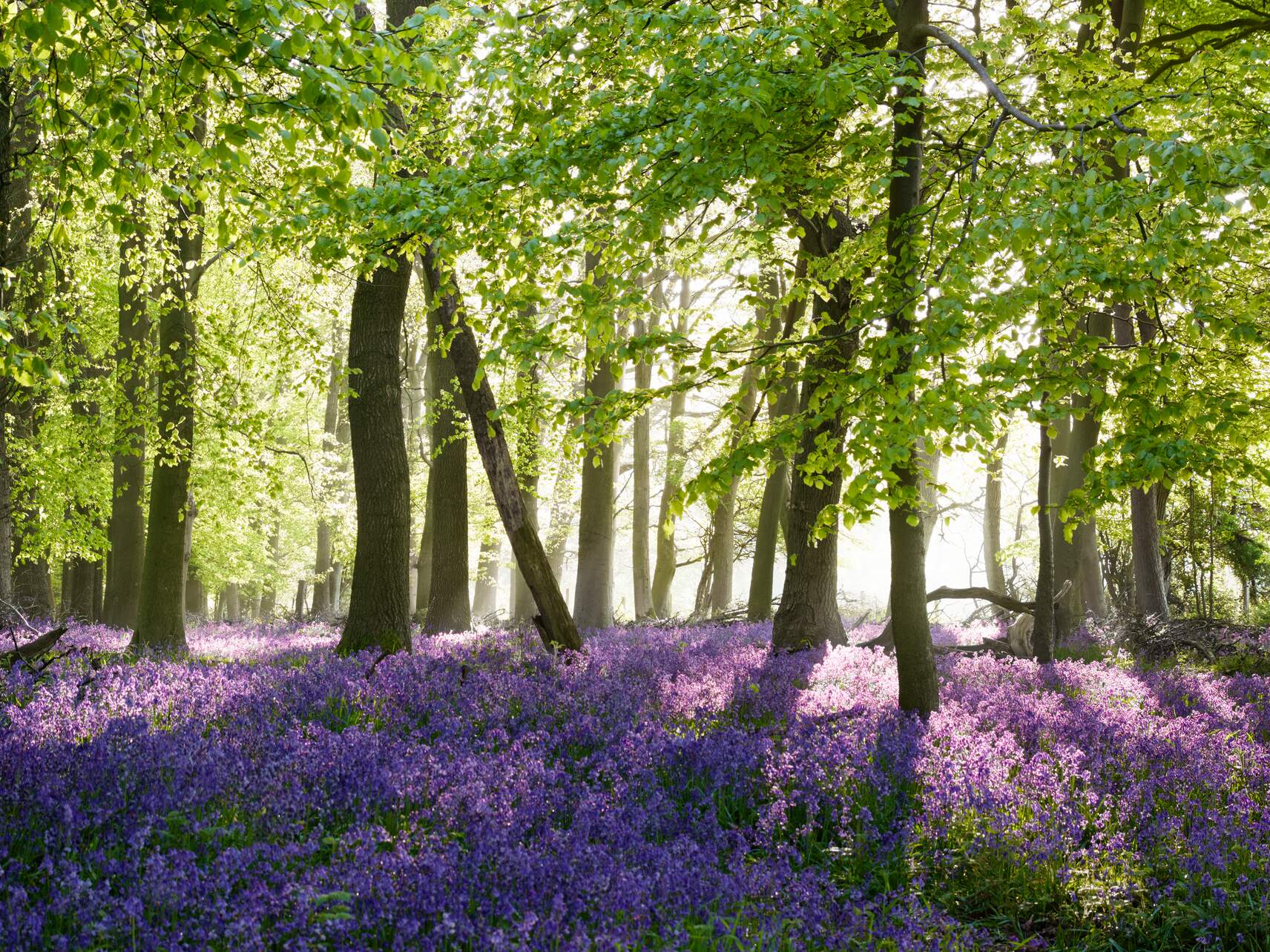
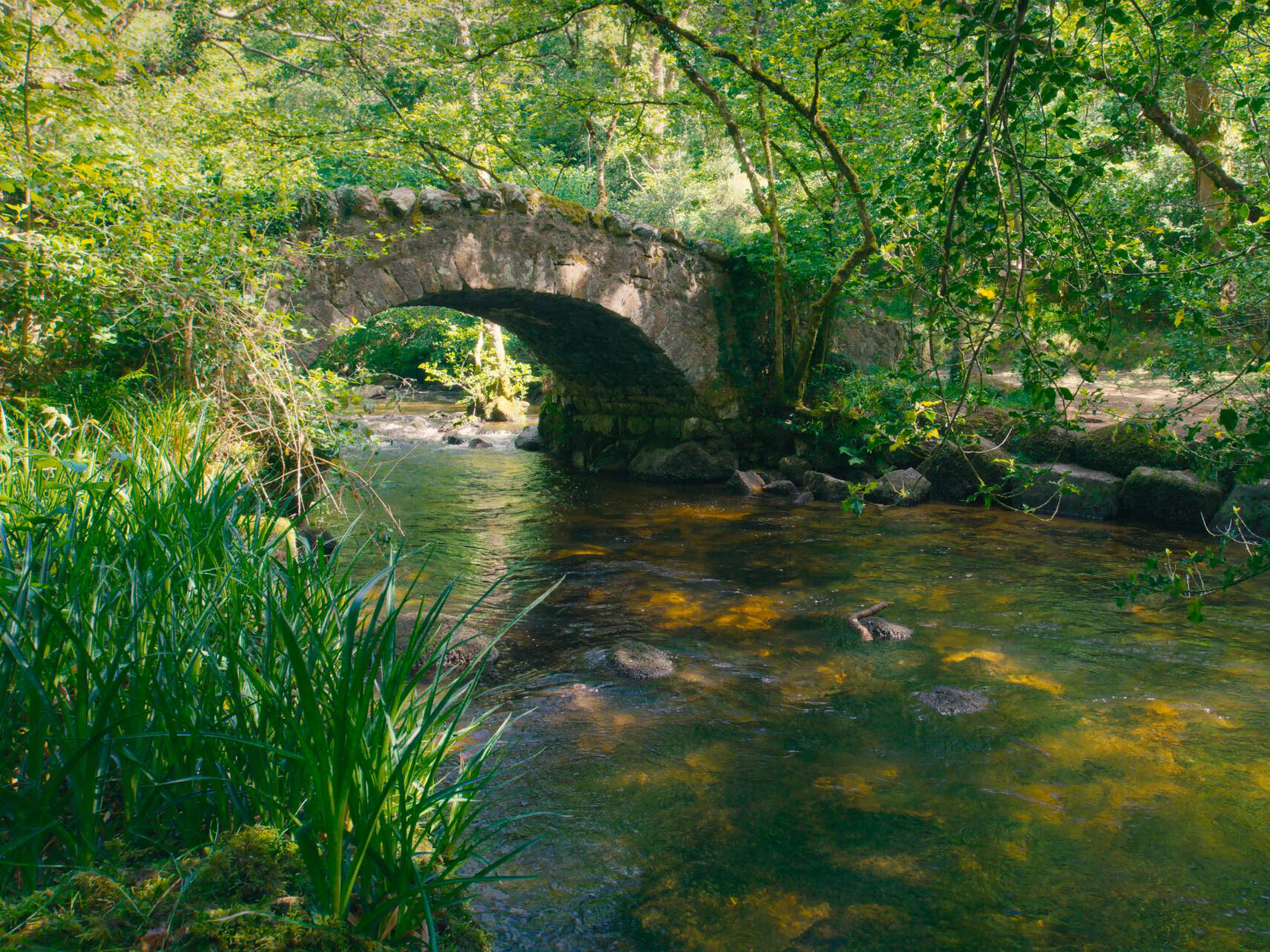
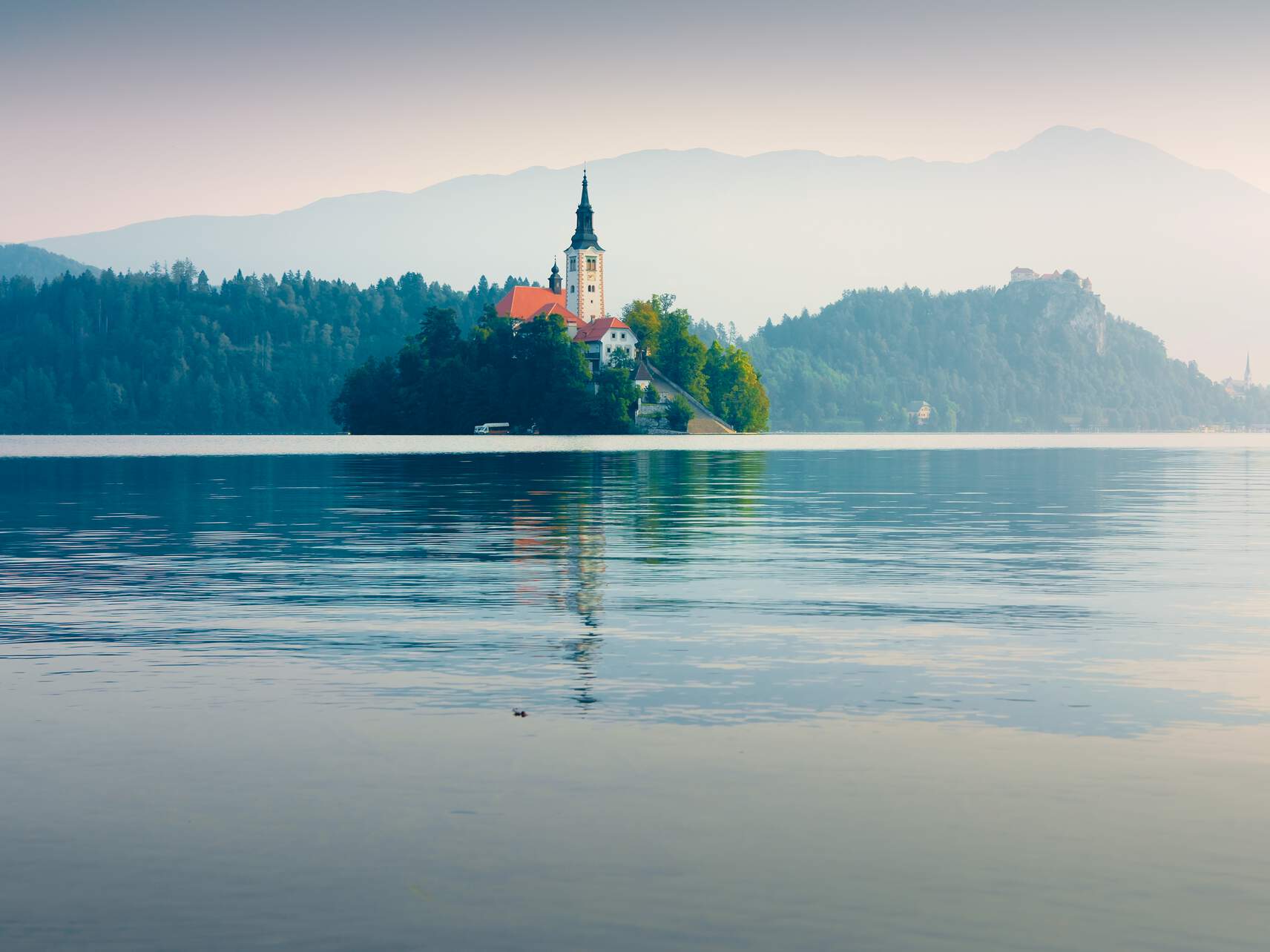
Stress recovery theory shares several principles with the Biophilia Hypothesis, a thesis initially developed to explain human ‘love’ for, and dependence on, nature. Biophilia also suggests that responses to natural settings were formed as early humans evolved in a wild and untamed world, and so are genetically hard-coded.
But these theories also have their critics. Some have suggested their ancient underpinnings are not specific enough to test, and that alternative explanations, such as the ease with which we process natural scenes, might have a larger role to play.
Whichever framework comes out on top, the evidence is clear – nature can be a powerful antidote to stress and anxiety. We'd recommend giving it a go!