Cognitive Fatigue
Social media notifications, email alerts, news headlines: modern life is full of interruptions that constantly compete for our attention. It can take a surprising amount of effort to resist these distractions and the ability to maintain focus on a particular task is a precious resource – as we begin to use it up we can feel tired, irritable, and more likely to make mistakes.
Psychologists call this feeling ‘cognitive fatigue’ and it can affect performance in a vast range of areas, from students taking exams, to employees in office jobs, and doctors working in intensive care. A tired mind also has less self-control, making us more likely to procrastinate and become distracted by the very things we’re trying to ignore.
A Natural Cure
When we feel like our supply of attention is running low, the best thing to do is take a break. And in the 1980s a group of researchers at the University of Michigan noticed that taking these breaks in natural settings could supercharge their restorative effects.
Since then, a growing body of evidence has shown that even short bursts of nature can boost concentration, improve short-term memory, and enhance mental flexibility. These effects might be greatest when people physically spend time in natural environments, but numerous experiments have shown that digital experiences of nature can prompt similar outcomes.
The Theory
Originally proposed by the husband and wife team of Rachel and Stephen Kaplan, Attention Restoration Theory is the leading framework to explain what’s happening when our brains are ‘on nature’.
The Kaplans suggested that the first step in the process of restoration requires us to switch off the need to focus, and instead engage in what they called ‘soft fascination’. This is a form of attention that is effortless and, luckily, its triggers are abundant in the natural world. Reflections shimmering on a lake surface, light filtering through a tree canopy, clouds traversing the sky: each of these features can gently and effortlessly hold our attention. And crucially, when our minds are engaged by soft fascination, our mental resources can recover.
The second ingredient needed for attention restoration to be effective is a feeling of ‘being away’ – distancing ourselves from the stress and strain of everyday life. Whether it’s creating physical separation by going for a walk, or mentally travelling with the help of a Costa Rican portal, being away can provide the perfect platform for soft fascination to work its magic.
Both the sights and sounds of nature can contribute to this process, as well as helping an environment to feel ordered and interesting, two further factors needed to replenish a tired mind.
Finally, as our brains begin to recover, they might also engage in contemplation and reflection, a form of mind wandering that can help us work through problems and unlock creativity.
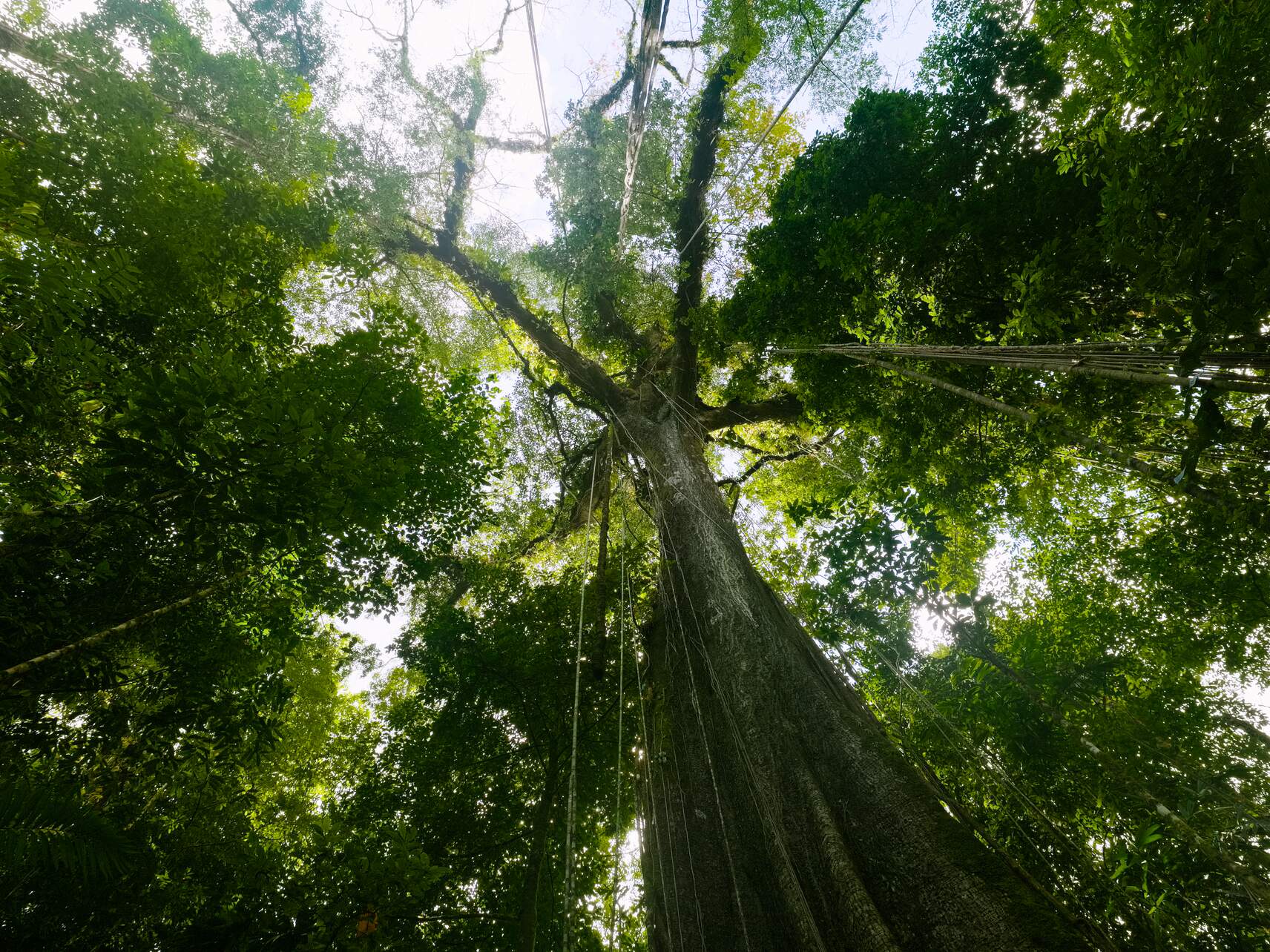
Whilst most safe natural environments should foster attention restoration, some seem almost perfectly designed for the job. The Costa Rican rainforest is one such example, where a misty, open canopy, sends dappled sunlight down to dance on gently swaying vegetation. These quintessential softly fascinating features are accompanied by the mesmerising sounds of tropical birds and cicadas, transporting us somewhere else entirely.



A Buffering Effect
Defined by an increasing inability to concentrate, cognitive fatigue is distinct from stress and anxiety – a person can be tired and drained without feeling stressed about it. But often these negative mindsets do exist together. What if rather than just helping us to recharge our mental batteries, bringing nature into our homes and offices could prevent this boom and bust cycle altogether?
Emerging research suggests we might be onto something – natural environments can provide a buffer against mental strain and our hope is that Portal might be able to harness this effect. We’re beginning to outrun the science here, but feedback from our community suggests we’re heading in the right direction:
The app out of all the Focus apps I've tried over the last decade, Portal has been the one with the biggest impact: I relax, I'm less stressed and therefore manage to focus so much better.
I break it out for extended study sessions, ripping through life's paperwork, or simply enjoying a rare moment by myself to breathe. This app is an instant 'on switch' for being able to focus.
So, rewilding your workspace might not just help you to recover when your concentration waivers, it could help to maintain that focus throughout the day.
Get started with these portals, which are perfectly suited to helping a tired mind indulge in soft fascination.